Receiving a diagnosis of kidney disease can be overwhelming. One of the first questions that often comes to mind is, “Can my kidneys heal?” The answer depends on the type of kidney disease, its underlying cause, and how early it is diagnosed. While some forms of kidney damage can improve with timely treatment, others may be permanent. However, even in cases where complete recovery is not possible, there is still a great deal that can be done to preserve kidney function and improve quality of life.
Understanding how kidney disease develops and what modern medicine can achieve can help patients make informed decisions about their health.
Understanding the Role of the Kidneys
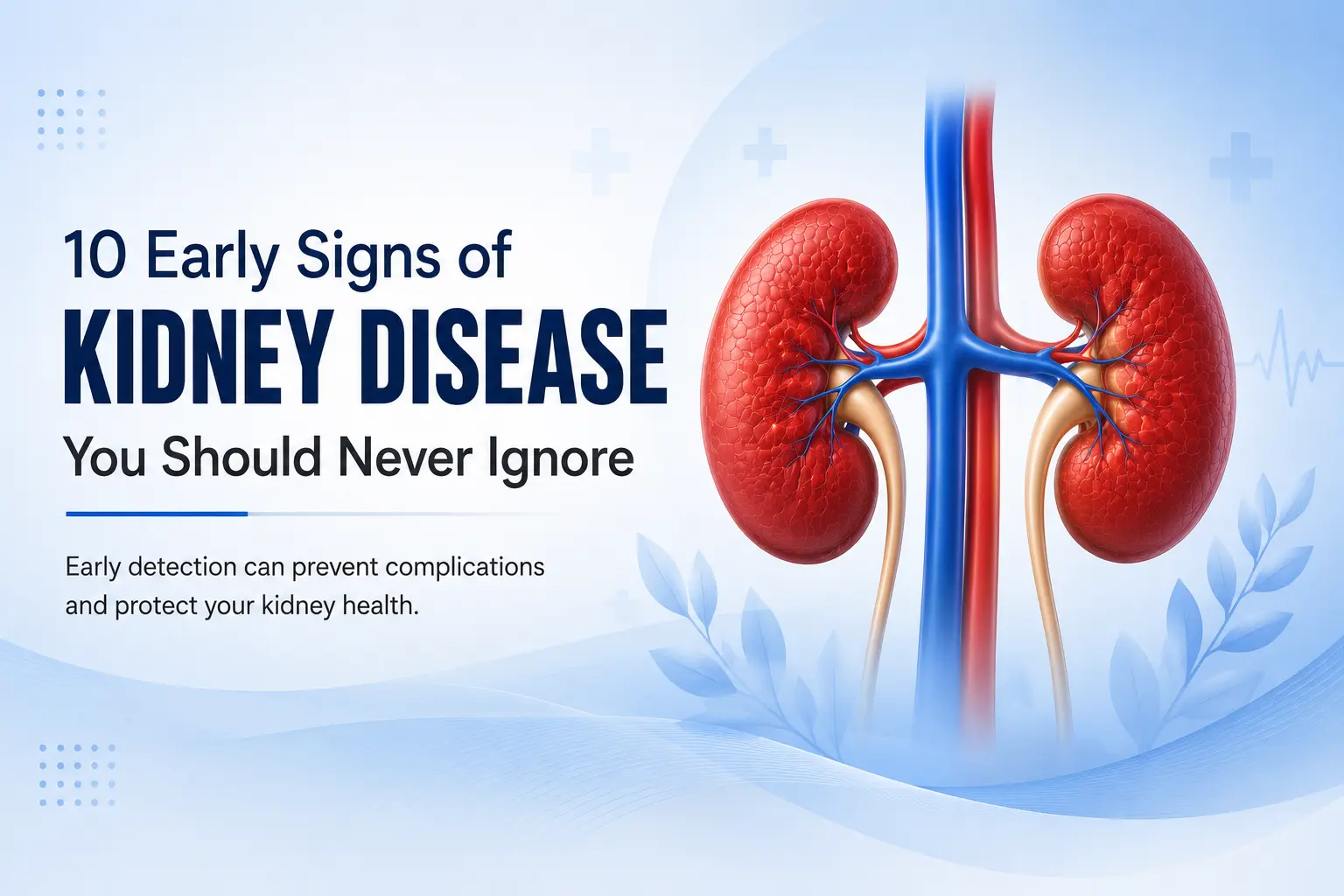
The kidneys are two bean-shaped organs located on either side of the spine. Despite their relatively small size, they perform several vital functions that keep the body healthy.
Healthy kidneys:
- Filter waste products and excess fluids from the blood.
- Maintain the body’s electrolyte balance.
- Regulate blood pressure.
- Produce hormones that stimulate red blood cell production.
- Help maintain healthy bones by activating Vitamin D.
- Remove toxins through urine.
Every day, the kidneys filter approximately 180 liters of blood, ensuring that harmful waste products are eliminated while essential nutrients are retained. When the kidneys become damaged, these functions begin to decline, affecting nearly every organ in the body.
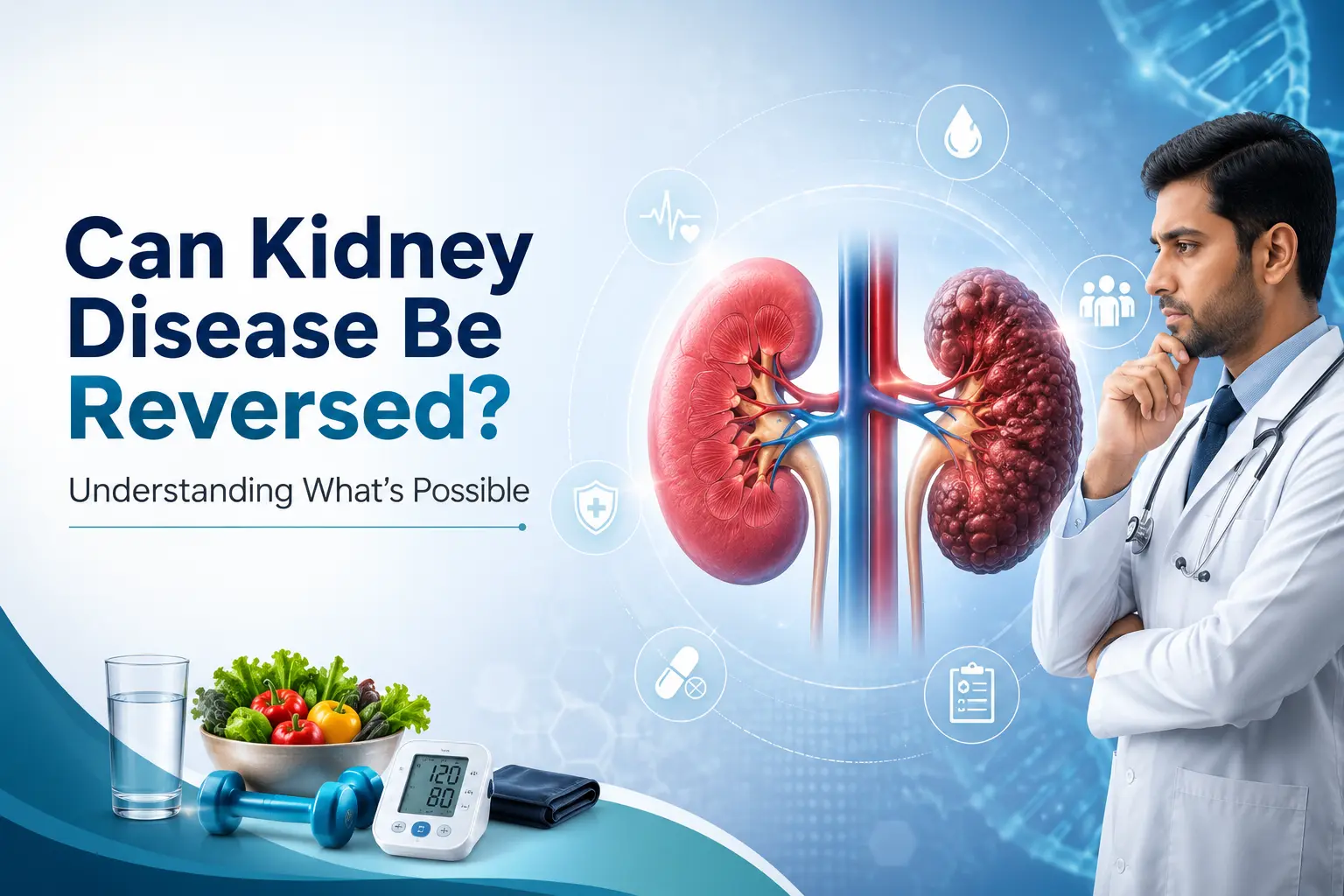
Can Kidney Disease Be Reversed?
The answer is sometimes but not always.
Whether kidney disease can be reversed depends largely on whether the condition is acute or chronic.
Acute Kidney Injury (AKI): Often Reversible
Acute Kidney Injury (AKI) (https://drsashidharch.com/acute-kidney-injury-management/) refers to a sudden decline in kidney function that occurs over hours or days. It is often caused by conditions that temporarily reduce blood flow to the kidneys or directly damage them.
Common causes include:
- Severe dehydration
- Blood loss
- Serious infections (sepsis)
- Certain medications
- Kidney stones causing urinary blockage
- Major surgery
- Contrast dyes used during imaging procedures
If the underlying cause is identified and treated promptly, kidney function can often recover completely or significantly.
For example, a patient hospitalized with severe dehydration may experience temporary kidney dysfunction. After receiving intravenous fluids and appropriate treatment, kidney function may return to normal within days or weeks.
However, delayed treatment can lead to permanent kidney damage, making early diagnosis essential.
Chronic Kidney Disease (CKD): Usually Not Reversible
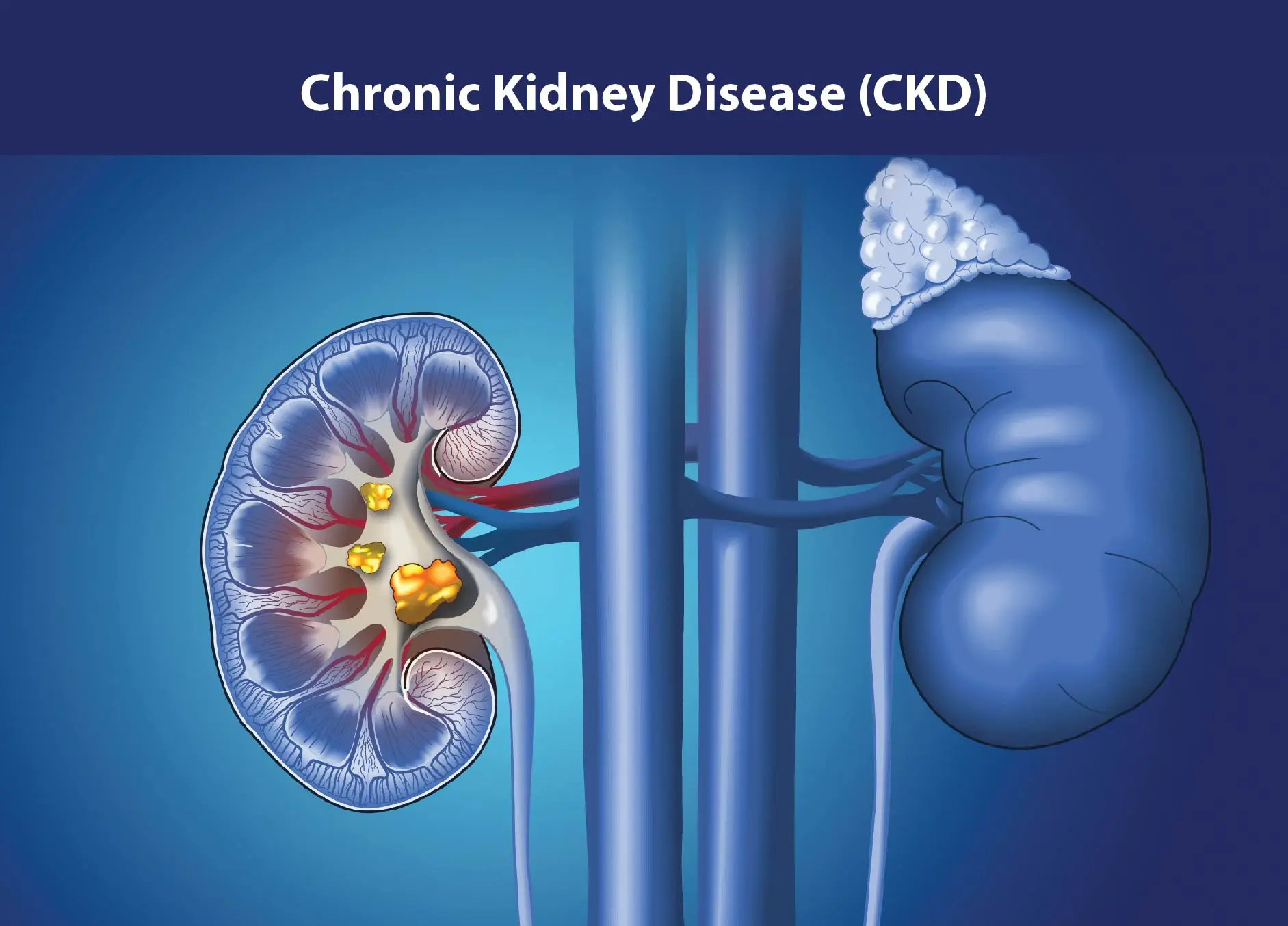
Unlike AKI, Chronic Kidney Disease (CKD) develops gradually over months or years. In CKD, kidney tissue becomes permanently scarred, and damaged nephrons—the tiny filtering units inside the kidneys cannot regenerate.
This means that kidney function that has already been lost usually cannot be restored.
However, this does not mean that all hope is lost.
The primary goal of CKD treatment is to:
- Slow disease progression.
- Preserve remaining kidney function.
- Prevent complications.
- Delay or avoid dialysis.
- Improve overall quality of life.
Many individuals diagnosed with Stage 1, Stage 2, or Stage 3 CKD continue to lead healthy, active lives for decades with proper treatment and regular monitoring.
What Causes Chronic Kidney Disease?
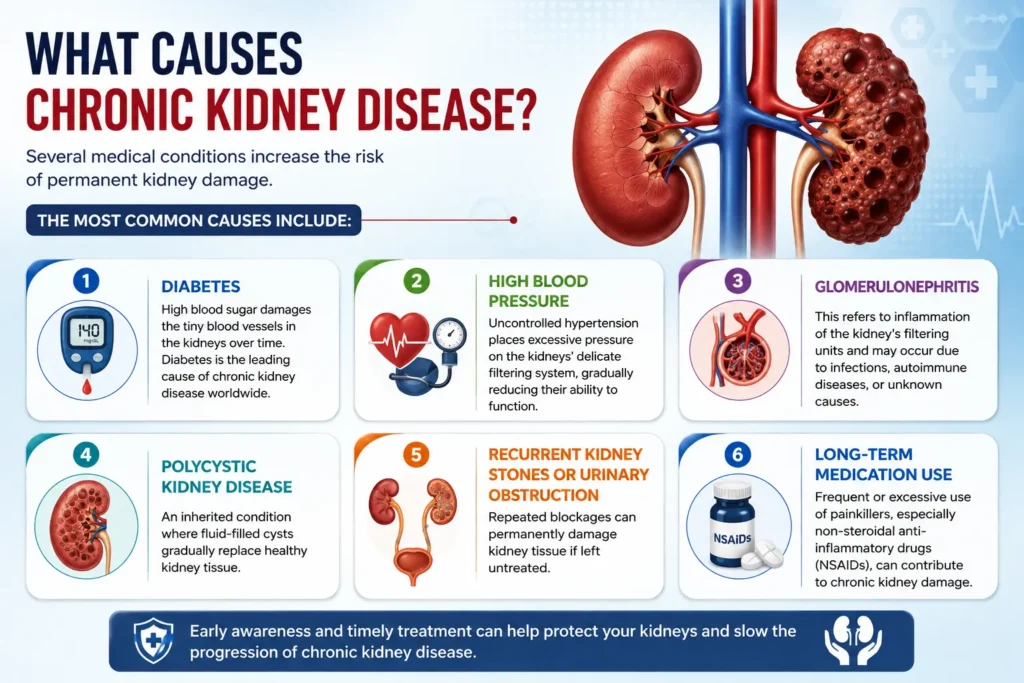
Several medical conditions increase the risk of permanent kidney damage.
The most common causes include:
Diabetes
High blood sugar damages the tiny blood vessels in the kidneys over time. Diabetes is the leading cause of chronic kidney disease worldwide.
High Blood Pressure
Uncontrolled hypertension places excessive pressure on the kidneys’ delicate filtering system, gradually reducing their ability to function.
Glomerulonephritis
This refers to inflammation of the kidney’s filtering units and may occur due to infections, autoimmune diseases, or unknown causes.
Polycystic Kidney Disease
An inherited condition where fluid-filled cysts gradually replace healthy kidney tissue.
Recurrent Kidney Stones or Urinary Obstruction
Repeated blockages can permanently damage kidney tissue if left untreated.
Long-Term Medication Use
Frequent or excessive use of painkillers, especially non-steroidal anti-inflammatory drugs (NSAIDs), can contribute to chronic kidney damage.
Can Kidney Function Improve?
Although scarred kidney tissue cannot regenerate, kidney function may still improve slightly in certain situations.
For example:
- Better blood pressure control may reduce stress on the kidneys.
- Treating urinary obstruction may restore some lost function.
- Managing diabetes effectively may stabilize kidney performance.
- Correcting dehydration can improve kidney filtration.
In many patients, laboratory values such as serum creatinine and estimated Glomerular Filtration Rate (eGFR) may improve after treatment. However, this should not be mistaken for complete reversal of chronic kidney disease.
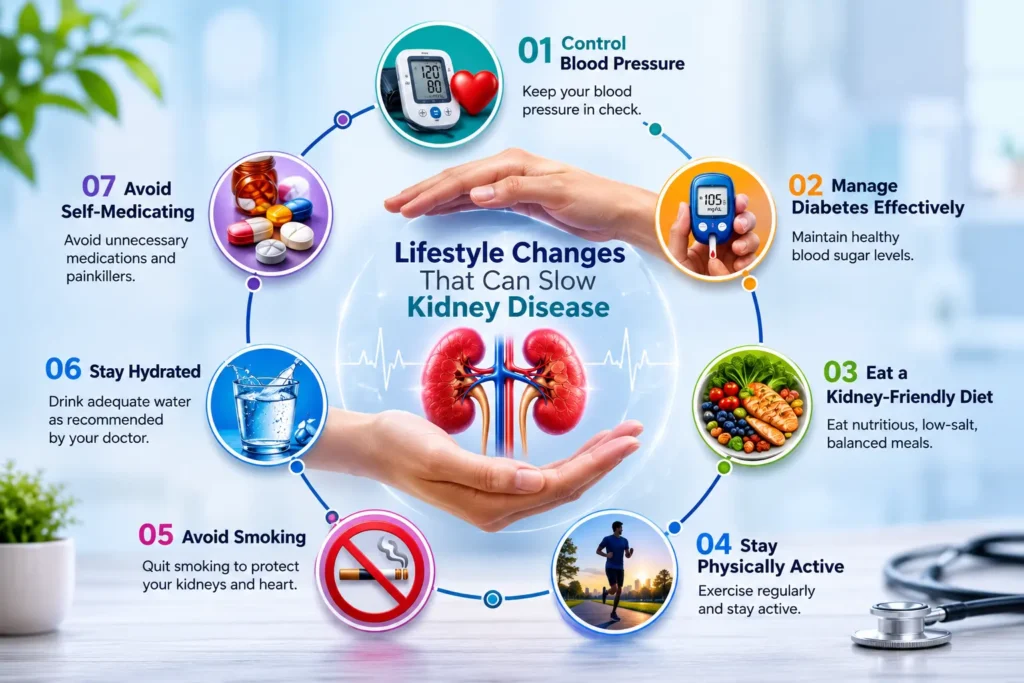
Lifestyle Changes That Can Slow Kidney Disease
Medical treatment is only one part of kidney care. Lifestyle choices play a crucial role in preserving kidney function.
1. Control Blood Pressure
Maintaining healthy blood pressure is one of the most effective ways to protect the kidneys. Patients should take prescribed medications regularly and monitor their blood pressure at home if advised.
2. Manage Diabetes Effectively
Keeping blood sugar levels within the target range reduces ongoing damage to the kidneys.
Regular HbA1c testing, medication adherence, and dietary modifications are essential.
3. Eat a Kidney-Friendly Diet
Dietary recommendations vary depending on the stage of kidney disease, but general principles include:
- Reducing salt intake
- Limiting processed foods
- Eating fresh fruits and vegetables (as advised)
- Choosing lean protein sources
- Avoiding excessive sugar
- Limiting saturated fats
Patients with advanced kidney disease may also need to monitor potassium, phosphorus, and protein intake under the guidance of a nephrologist or renal dietitian
4. Stay Physically Active
Regular exercise helps:
- Lower blood pressure
- Improve blood sugar control
- Reduce body weight
- Improve heart health
Even moderate activities such as brisk walking for 30 minutes most days of the week can provide significant health benefits.
5. Avoid Smoking
Smoking reduces blood flow to the kidneys and accelerates kidney damage.
Quitting smoking lowers the risk of both kidney disease progression and cardiovascular complications.
6. Stay Hydrated
Adequate hydration supports normal kidney function. However, patients with advanced kidney disease or heart failure should follow their doctor’s advice regarding fluid intake.
7. Avoid Self-Medicating
Many over-the-counter medications, herbal supplements, and painkillers can worsen kidney function.
Always consult your healthcare provider before taking new medications, especially if you already have kidney disease.
Why Early Detection Makes a Difference
One of the biggest challenges in kidney disease is that symptoms often appear only after significant damage has occurred.
Early kidney disease may produce no noticeable symptoms at all.
Routine screening becomes especially important for people with:
- Diabetes
- High blood pressure
- Heart disease
- Obesity
- Family history of kidney disease
- Age over 60 years
Simple blood and urine tests can detect kidney disease long before symptoms develop.
Tests Used to Monitor Kidney Health
A nephrologist may recommend:
- Serum Creatinine
- Estimated Glomerular Filtration Rate (eGFR)
- Urine Albumin-to-Creatinine Ratio (ACR)
- Urine Routine Examination
- Blood Pressure Monitoring
- Kidney Ultrasound
- Electrolyte Tests
These investigations help determine the stage of kidney disease and guide treatment decisions.
When Is Dialysis Needed?
Many people worry that a diagnosis of kidney disease automatically means dialysis.
Fortunately, this is not the case.
Dialysis is typically considered only when kidney function becomes severely reduced and the kidneys can no longer effectively remove waste products and excess fluid from the body.
The decision depends on several factors, including:
- Kidney function tests
- Symptoms
- Fluid overload
- Electrolyte imbalance
- Overall health
With proper treatment and regular follow-up, many patients can delay dialysis for years—or avoid it altogether.
Consult a nephrologist if you experience:
- Persistent swelling in the legs, feet, or face
- Blood or foam in the urine
- High blood pressure that is difficult to control
- Unexplained fatigue
- Recurrent kidney stones
- Abnormal kidney function tests
- Diabetes with protein in the urine
- A family history of kidney disease
Early specialist care can make a significant difference in preserving kidney health.
Why Choose Dr. Sashidhar for Kidney Care?
If you have concerns about declining kidney function, protein in the urine, uncontrolled blood pressure, or chronic kidney disease, consulting a qualified nephrologist can make a significant difference. Dr. Sashidhar provides comprehensive evaluation and evidence-based treatment for acute kidney injury, chronic kidney disease (CKD), diabetic kidney disease, kidney stones, hypertension, and other kidney-related conditions. Early diagnosis and personalized treatment plans can help preserve kidney function and improve long-term outcomes.
Final Thoughts
So, can kidney disease be reversed? The answer depends on the type and stage of the disease. Acute kidney injury is often reversible when treated promptly, while chronic kidney disease usually involves permanent damage. However, irreversible does not mean untreatable.
With early diagnosis, appropriate medical care, healthy lifestyle choices, and regular follow-up, many people with chronic kidney disease can slow its progression, maintain good kidney function for years, and enjoy a full and active life.
Your kidneys work around the clock to protect your health. The sooner you take steps to care for them, the better your chances of preserving their function for the future. Early action, consistent treatment, and informed lifestyle choices remain the most powerful tools in the fight against kidney disease.