

Your kidneys work around the clock to remove waste, balance fluids, regulate blood pressure, and maintain overall health. Despite their importance, kidney disease often develops silently, showing very few symptoms until significant damage has already occurred.
This is why many people discover kidney problems only during routine blood tests or after symptoms become severe. Early detection is one of the most effective ways to protect kidney function and avoid complications such as dialysis or kidney failure.
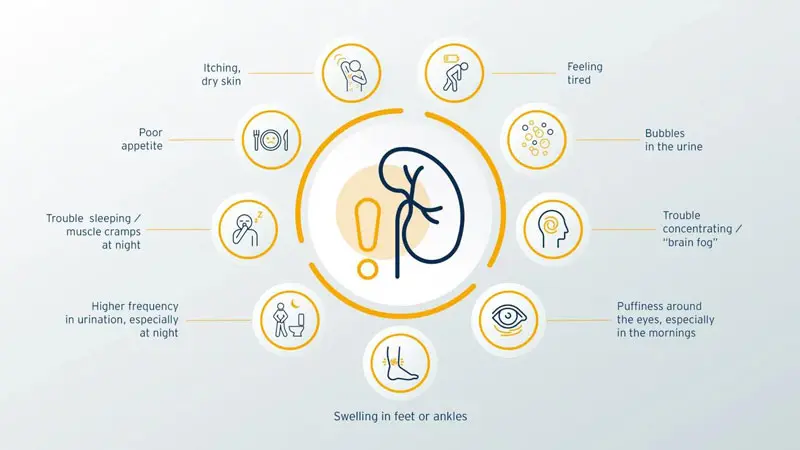
If you notice any of the following symptoms, it may be time to consult a nephrologist.
Swelling in the Feet, Ankles, or Face
Healthy kidneys help remove excess fluid from the body. When kidney function begins to decline, fluid can accumulate in the tissues, causing swelling, particularly in the feet, ankles, legs, and around the eyes.
Persistent swelling should never be ignored, especially if it occurs alongside high blood pressure or diabetes.
Foamy or Bubbly Urine
Foamy urine may indicate the presence of excess protein in the urine, a condition known as proteinuria.
Protein leakage is often one of the earliest signs of kidney damage. Many patients do not experience pain or discomfort, making routine urine testing important for early detection.
Changes in Urine Patterns
Kidney disease can affect the frequency, color, and volume of urine.
Common changes include:
- Frequent urination, especially at night
- Reduced urine output
- Dark-colored urine
- Blood in the urine
- Difficulty urinating
Any persistent change should be evaluated by a kidney specialist.
Constant Fatigue and Weakness
When the kidneys are not functioning properly, waste products can accumulate in the bloodstream. This can lead to tiredness, weakness, poor concentration, and reduced energy levels.
Kidney disease can also contribute to anemia, which further increases fatigue.
High Blood Pressure
The kidneys and blood pressure are closely connected.
Uncontrolled hypertension can damage the kidneys over time, while kidney disease itself can make blood pressure difficult to control. People with long-standing hypertension should undergo regular kidney function testing. Diabetes and hypertension are among the leading contributors to kidney failure worldwide.
Elevated Creatinine Levels
Creatinine is a waste product filtered by the kidneys. Elevated creatinine levels often indicate reduced kidney function.
Many patients first discover kidney problems during routine health screenings when blood tests reveal abnormal creatinine or eGFR values.
Regular monitoring is especially important for individuals with diabetes, hypertension, or a family history of kidney disease.
Loss of Appetite & Nausea
As kidney function declines, toxins can accumulate in the body, leading to symptoms such as:
- Loss of appetite
- Metallic taste in the mouth
- Nausea
- Vomiting
Although these symptoms can occur in many conditions, they should not be ignored when accompanied by other kidney-related warning signs.
Difficulty Controlling Diabetes
Diabetes is one of the most common causes of chronic kidney disease.
People living with diabetes should undergo periodic kidney evaluations, including urine protein testing and kidney function tests. Studies show that approximately one-third of adults with diabetes may develop kidney disease.
Persistent Itching & Dry Skin
Kidneys help maintain the balance of minerals and nutrients in the body. Advanced kidney disease may cause persistent itching, dry skin, and other metabolic complications.
While skin problems can have many causes, persistent symptoms should be medically evaluated.
Shortness of Breath
Fluid retention caused by kidney disease can sometimes affect the lungs and circulation, leading to breathing difficulties.
In addition, anemia associated with kidney disease may contribute to reduced oxygen delivery and shortness of breath.
Who is at Risk for Kidney Disease?
You may have a higher risk if you have:
- Diabetes
- High blood pressure
- Obesity
- Heart disease
- Family history of kidney disease
- Long-term painkiller use
- Smoking habits
People in these groups should undergo regular kidney screening, even if they feel healthy. Early kidney disease often produces no obvious symptoms.
How Can Kidney Disease Be Detected Early?
Simple tests can help identify kidney problems before symptoms become severe:
- Serum Creatinine Test
- eGFR (Estimated Glomerular Filtration Rate)
- Urine Protein Test
- Urine Routine Examination
- Blood Pressure Monitoring
- Kidney Ultrasound (when recommended)
Early diagnosis can significantly slow disease progression and reduce the risk of kidney failure.
Tips to Protect Your Kidneys
Protecting kidney health starts with daily habits:
- Control blood pressure
- Manage blood sugar levels
- Drink adequate water
- Reduce salt intake
- Avoid unnecessary painkiller use
- Maintain a healthy weight
- Exercise regularly
- Schedule regular health check-ups
Small lifestyle changes today can help prevent major kidney complications in the future.
When Should You Consult a Nephrologist?
You should consider consulting a nephrologist if you experience:
- High creatinine levels
- Protein leakage in urine
- Swelling in the body
- Persistent high blood pressure
- Diabetes with kidney concerns
- Reduced kidney function reports
- Chronic kidney disease diagnosis
Early consultation can help identify the cause, prevent further kidney damage, and create a personalized treatment plan.
Conclusion
Kidney disease is often called a silent condition because symptoms may not appear until significant damage has already occurred. Paying attention to warning signs such as swelling, foamy urine, high creatinine levels, fatigue, and changes in urination can help detect problems early.
The earlier kidney disease is identified, the greater the opportunity to preserve kidney function and maintain long-term health. If you have concerns about your kidney health, seeking expert nephrology care can make a significant difference.