
Chronic Kidney Disease (CKD) is a condition in which the kidneys gradually lose their ability to filter waste and excess fluids from the body. In many cases, CKD develops slowly and may not show noticeable symptoms in the early stages. Conditions such as diabetes, high blood pressure, and certain inherited disorders can increase the risk of kidney damage over time.
Dr. Sashidhar Ch provides comprehensive evaluation and management of CKD with a focus on preserving kidney function, controlling underlying causes, and preventing disease progression. Through personalized treatment plans, regular monitoring, lifestyle guidance, and medication management, patients can achieve better kidney health and improved quality of life.
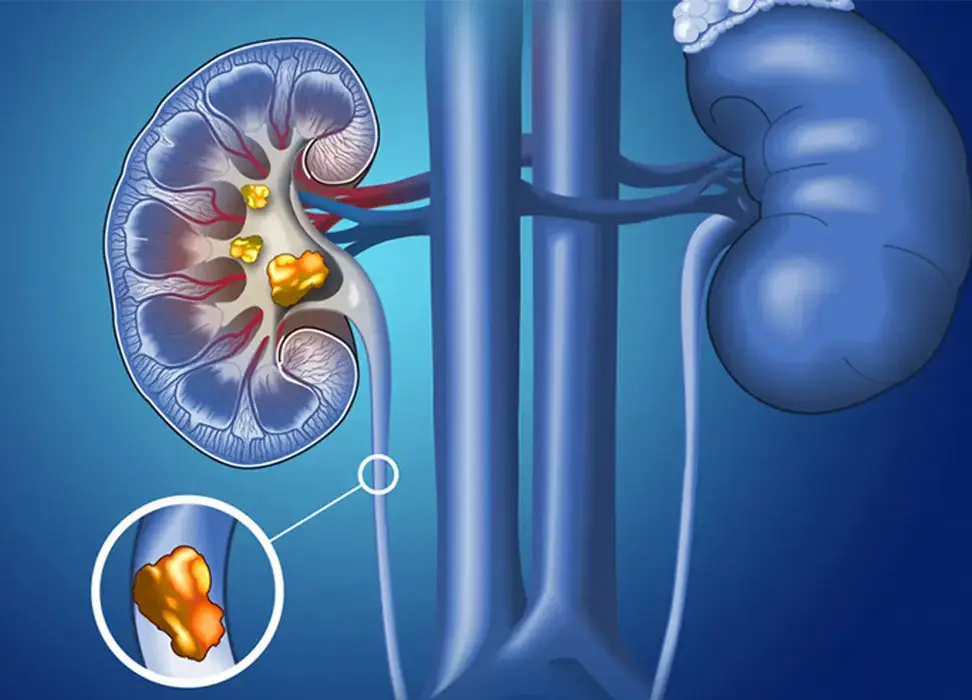
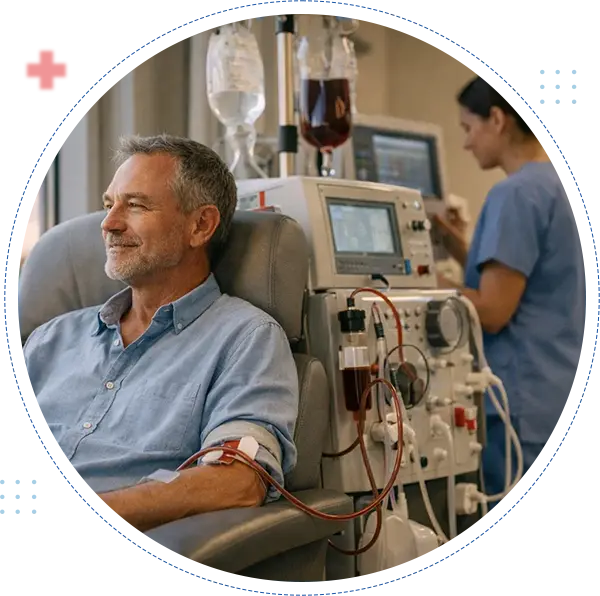
Chronic Kidney Disease means your kidneys have gradually lost the ability to filter waste products and excess fluid from your blood, usually over months or years. Unlike acute kidney injury, which happens suddenly, CKD develops in stages, and treatment depends heavily on how advanced the condition is.
Your nephrologist may recommend starting or adjusting CKD treatment in Hyderabad if you experience:

can help determine the right time to begin Chronic Kidney and improve treatment outcomes.
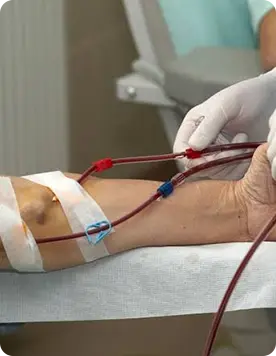
Kidney function is only mildly reduced at this point, and many patients have no noticeable symptoms. Treatment focuses on identifying the underlying cause and slowing further damage.
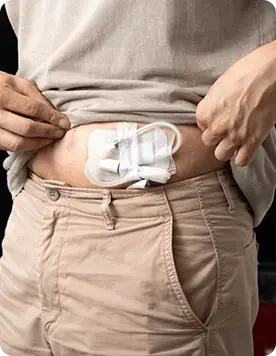
Kidney function declines further, symptoms become more noticeable, and closer monitoring is needed. Stage 5, also known as End-Stage Renal Disease, typically requires dialysis or a kidney transplant.
Dr. Sashidhar CH provides complete Chronic Kidney care that focuses not only on treatment but also on improving long-term kidney health.
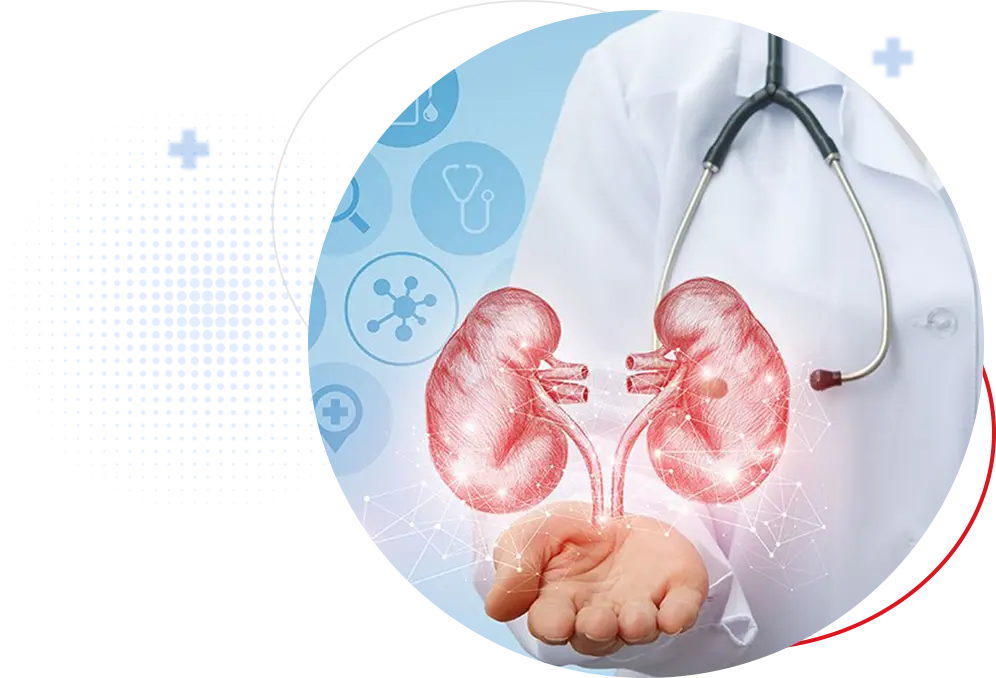
Choosing the right nephrologist plays an important role in managing kidney disease effectively. Dr. Sashidhar CH is committed to providing compassionate, evidence-based kidney care with a patient-first approach.

Living with CKD requires proper lifestyle modifications to stay healthy and slow disease progression.
These lifestyle measures can significantly improve overall health and well-being while managing CKD
The cost of CKD treatment in Hyderabad can vary depending on several factors, including the stage of kidney disease, frequency of consultations, diagnostic tests required, and any additional treatments or medications needed.
While many patients search for the cheapest Chronic Kidney in Hyderabad, it is important to choose a Chronic Kidney centre that maintains high standards of patient safety, infection control, experienced nephrologists, and quality care rather than considering cost alone.
Dr. Sashidhar CH helps patients understand the most suitable Chronic Kidney options based on their kidney condition and can guide them toward affordable and reliable Chronic Kidney facilities without compromising the quality of treatment.
Receiving CKD treatment under the supervision of an experienced nephrologist offers several benefits:
Depending on the stage of kidney disease, patients are often advised to limit foods high in sodium, potassium, and phosphorus, such as processed foods, bananas, oranges, dairy products, and nuts. Since dietary needs vary by CKD stage and individual lab values, it’s best to follow a personalized diet plan rather than a general restriction list.
This depends on your CKD stage and overall health. Patients in early stages may need testing every 6 to 12 months, while those in more advanced stages typically require monitoring every few months. Your nephrologist will recommend a testing schedule based on your specific condition
Yes. Diabetes and high blood pressure are two of the leading causes of Chronic Kidney Disease. Both conditions can gradually damage the kidneys’ blood vessels and filtering units over time, which is why managing them well is a key part of protecting kidney health
In most cases, CKD cannot be fully reversed, but its progression can often be significantly slowed with early diagnosis and consistent treatment, especially when caught in the early stages.
Not always. Many patients manage CKD for years through medication, lifestyle changes, and regular monitoring without ever needing dialysis or a transplant, particularly when the condition is detected and treated early.