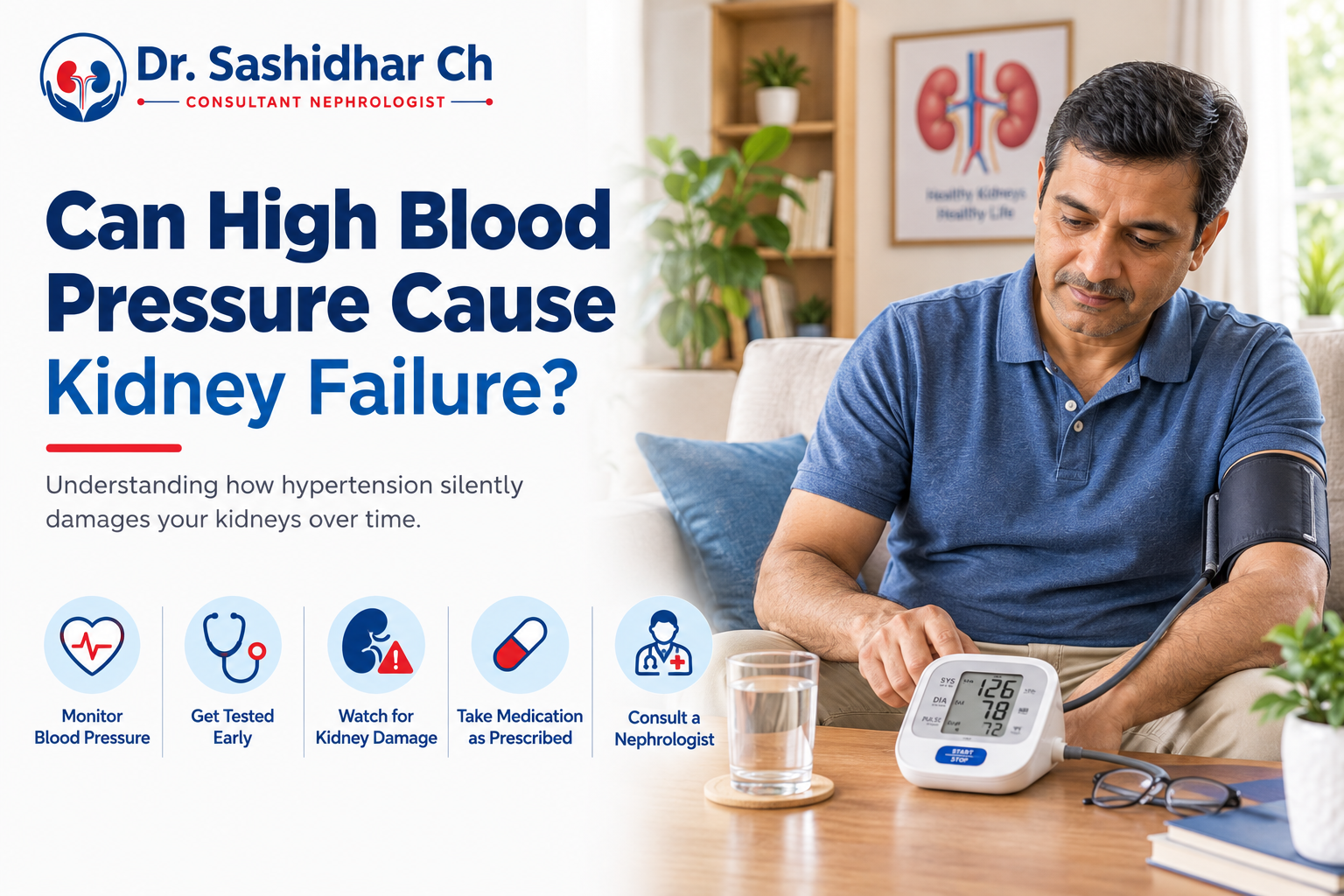
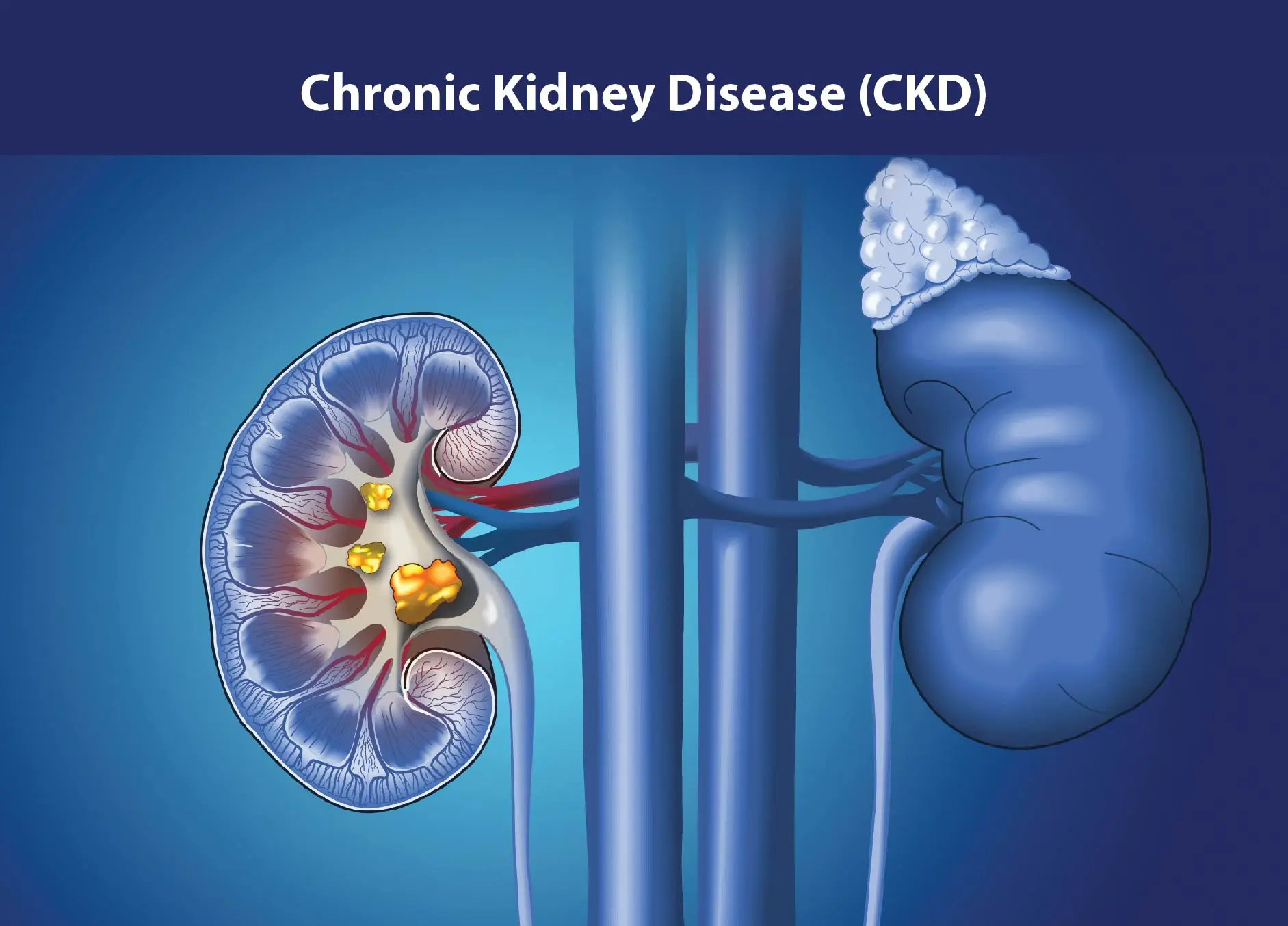
Chronic Kidney Disease (CKD) is one of the leading causes of kidney failure worldwide. Early diagnosis, timely treatment, and healthy lifestyle changes can help slow disease progression and protect kidney function. This guide explains the symptoms, causes, prevention, diagnosis, and treatment of Chronic Kidney Disease while highlighting the importance of regular kidney screening.
Chronic Kidney Disease: The Silent Health Threat You Shouldn’t Ignore
Your kidneys work around the clock to keep your body healthy. Every day, they filter waste, remove excess fluids, balance minerals, regulate blood pressure, and support overall health. But what happens when these vital organs slowly begin to lose their function?
Chronic Kidney Disease (CKD) is one of the fastest-growing health concerns worldwide, yet many people don’t know they have it until the disease has reached an advanced stage. Because CKD often develops without noticeable symptoms, awareness and regular screening are essential for preventing irreversible kidney damage.
This article explains what Chronic Kidney Disease is, who is at risk, its warning signs, prevention strategies, and the importance of early diagnosis.
What Is Chronic Kidney Disease (CKD)?
Chronic Kidney Disease (CKD) is a long-term condition in which the kidneys gradually lose their ability to filter waste products and excess fluid from the blood.
Healthy kidneys remove toxins, regulate electrolyte balance, control blood pressure, and produce hormones that help maintain healthy bones and red blood cell production. When kidney function declines over months or years, waste products accumulate in the body, increasing the risk of serious health complications.
Unlike sudden kidney injury, CKD progresses slowly and often remains unnoticed until significant kidney damage has already occurred.
Why Is CKD Awareness Important?
One of the biggest challenges with Chronic Kidney Disease is that it rarely causes symptoms in its early stages. Many individuals continue with their daily lives without realizing that their kidneys are gradually losing function.
Early detection can make a significant difference because it allows healthcare providers to:
- Slow or even prevent disease progression
- Preserve kidney function for many years
- Reduce the risk of kidney failure
- Lower the chances of cardiovascular disease
- Improve overall quality of life
- Reduce the risk of premature death
The good news is that many cases of CKD can be prevented through healthy lifestyle choices and effective management of underlying medical conditions.
Common Causes and Risk Factors for Chronic Kidney Disease
Certain individuals are more likely to develop Chronic Kidney Disease than others.
You may be at a higher risk if you have:
- Diabetes mellitus
- High blood pressure (Hypertension)
- Heart disease
- A family history of kidney disease
- Age above 60 years
- Obesity or excess body weight
- A history of smoking
- Long-term use of painkillers, especially Non-Steroidal Anti-Inflammatory Drugs (NSAIDs)
Among these, diabetes and hypertension remain the leading causes of Chronic Kidney Disease worldwide.
Early Warning Signs of CKD
In the early stages, Chronic Kidney Disease may not produce any symptoms.
As kidney function declines, patients may experience:
- Swelling of the feet, ankles, hands, or face
- Persistent fatigue and weakness
- Loss of appetite
- Nausea or vomiting
- Changes in urine frequency
- Dark, bloody, or foamy urine
- Reduced urine output
- Persistent high blood pressure
- Muscle cramps
- Itching, particularly in advanced kidney disease
Because these symptoms often appear late, relying solely on symptoms is not enough. Regular screening is the best way to detect CKD early.
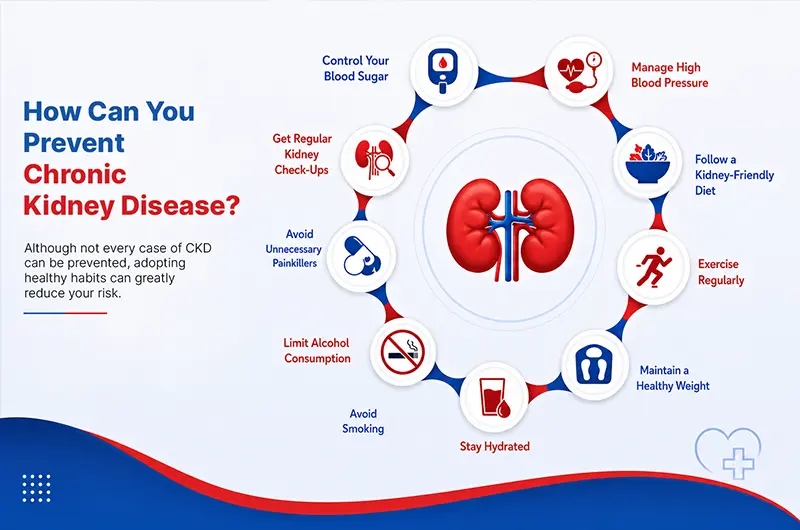
How Can You Prevent Chronic Kidney Disease?
Although not every case of CKD can be prevented, adopting healthy habits can greatly reduce your risk.
1. Control Your Blood Sugar
People with diabetes should monitor their blood sugar regularly and follow their treatment plan carefully. Good glucose control significantly reduces the risk of diabetic kidney disease.
2. Manage High Blood Pressure
High blood pressure damages the tiny blood vessels inside the kidneys over time.
Maintain your blood pressure within the target range recommended by your healthcare provider
3. Follow a Kidney-Friendly Diet
A healthy diet supports both kidney and heart health.
Focus on:
- Fresh fruits and vegetables
- Whole grains
- Lean proteins
- Low-fat dairy products
- Reduced salt intake
- Limited processed and packaged foods
Reducing sodium intake helps control blood pressure and decreases strain on the kidneys.
4. Exercise Regularly
Aim for at least 150 minutes of moderate physical activity each week.
Regular exercise helps:
- Control blood pressure
- Maintain healthy blood sugar
- Reduce obesity
- Improve cardiovascular health
Obesity increases the risk of diabetes, hypertension, and kidney disease.
Even modest weight loss can improve kidney health.
Drinking adequate water helps support normal kidney function.
However, individuals with existing kidney disease or heart failure should follow their doctor’s advice regarding fluid intake.
Smoking reduces blood flow to the kidneys and accelerates kidney damage.
Quitting smoking benefits both kidney and heart health.
Excessive alcohol intake contributes to high blood pressure and other chronic diseases that increase the risk of CKD.
Moderation is key.
9. Avoid Unnecessary Painkillers
Frequent or long-term use of NSAIDs such as ibuprofen and diclofenac can damage the kidneys.
Always consult your healthcare provider before taking pain medications regularly.
10. Get Regular Kidney Check-Ups
If you belong to a high-risk group, routine kidney function tests can detect disease before symptoms develop.
Early diagnosis allows for timely intervention.
Who Should Get Screened for CKD?
Kidney screening is especially recommended for individuals who have:
- Diabetes
- High blood pressure
- Heart disease
- A family history of kidney disease
- Obesity
- Age over 60 years
- A history of smoking
Regular screening can identify kidney damage years before symptoms appear.
Important Tests for Detecting Chronic Kidney Disease
Healthcare professionals commonly recommend the following investigations:
High blood pressure is both a cause and a consequence of kidney disease.
Tests such as:
- Fasting Blood Sugar
- HbA1c
help assess diabetes control.
Serum Creatinine and Estimated Glomerular Filtration Rate (eGFR)
These blood tests measure how efficiently your kidneys are filtering waste from your bloodstream.
Urine Albumin-to-Creatinine Ratio (ACR)
This test detects small amounts of protein in the urine, which is often one of the earliest signs of kidney damage.
Protein leakage into urine is an important indicator of Chronic Kidney Disease.
Living Well with Chronic Kidney Disease
A diagnosis of CKD does not necessarily mean kidney failure.
With early diagnosis and proper management, many individuals continue to lead healthy, active lives for decades.
Treatment often includes:
- Blood pressure control
- Diabetes management
- Lifestyle modification
- Healthy nutrition
- Medication review
- Regular monitoring by healthcare professionals
The earlier the disease is identified, the greater the opportunity to slow its progression.
When Should You Consult a Nephrologist?
If you have diabetes, high blood pressure, swelling in your legs, persistent fatigue, foamy urine, blood in urine, or abnormal kidney function test results, consult a nephrologist as early as possible. Early diagnosis and treatment can help prevent further kidney damage and reduce the risk of kidney failure.
Final Thoughts
Healthy kidneys are essential for a healthy life. Unfortunately, Chronic Kidney Disease often develops silently, making awareness and early screening more important than ever.
If you have diabetes, high blood pressure, heart disease, obesity, or a family history of kidney disease, don’t wait for symptoms to appear. Talk to your healthcare provider about routine kidney screening.
Simple lifestyle changes, regular health check-ups, and proper management of underlying conditions can help preserve kidney function, reduce complications, and prevent kidney failure.
Remember: Early detection saves kidneys. Prevention starts today.
Consult Dr. Sashidhar CH who is an experienced Nephrologist in Hyderabad with expertise in the diagnosis and management of:
- Chronic Kidney Disease (CKD)
- Kidney Stones
- Kidney Failure
- Dialysis Management
- Hypertension-related Kidney Disease
- Diabetic Kidney Disease
- Kidney Transplant Care
With a patient-centered approach, Dr. Sashidhar CH focuses on early diagnosis, personalized treatment, and long-term kidney health.
Frequently Asked Questions
What are the first symptoms of chronic kidney disease?
Early-stage CKD often has no noticeable symptoms. As the disease progresses, symptoms may include swelling, fatigue, changes in urination, nausea, and high blood pressure.
Can Chronic Kidney Disease be cured?
CKD cannot usually be cured, but early diagnosis and proper treatment can slow its progression and help preserve kidney function.
Who is at risk of Chronic Kidney Disease?
People with diabetes, high blood pressure, obesity, heart disease, a family history of kidney disease, or those above 60 years are at higher risk.
How is chronic kidney disease diagnosed?
Doctors diagnose CKD using blood tests (Serum Creatinine and eGFR), urine protein tests, urine Albumin-to-Creatinine Ratio (ACR), blood pressure checks, and blood sugar tests.
When should I consult a nephrologist?
Consult a nephrologist if you experience persistent swelling, foamy urine, blood in urine, abnormal kidney function tests, uncontrolled diabetes, or high blood pressure.